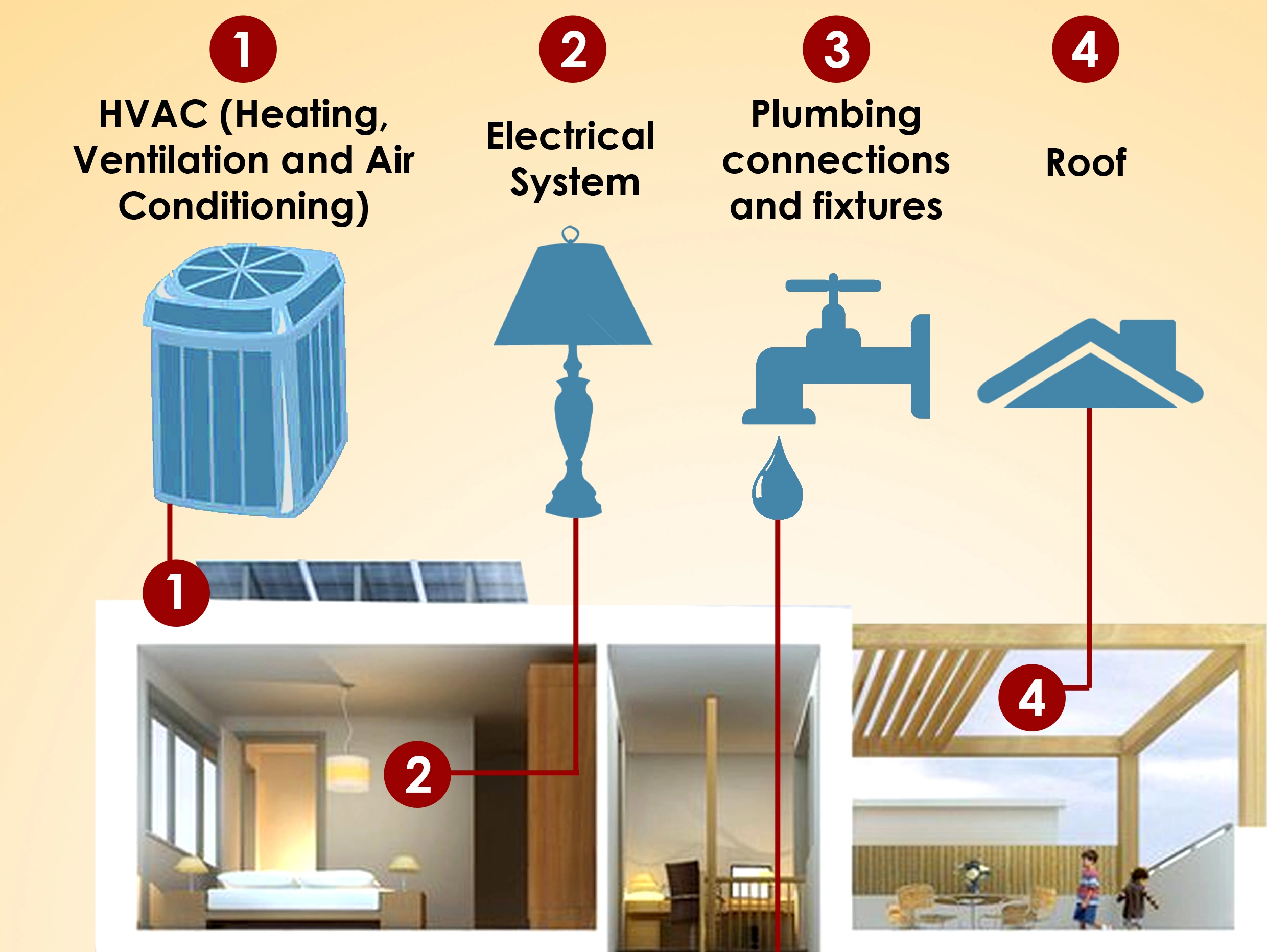
A four-point inspection is a specialized inspection typically required by insurance companies for certain older homes or properties, usually those 20 to 30 years old or more. It focuses on four main areas of the home: the roof, HVAC (Heating, Ventilation, and Air Conditioning) system, electrical system, and plumbing system.
Here’s a breakdown of what each point entails:
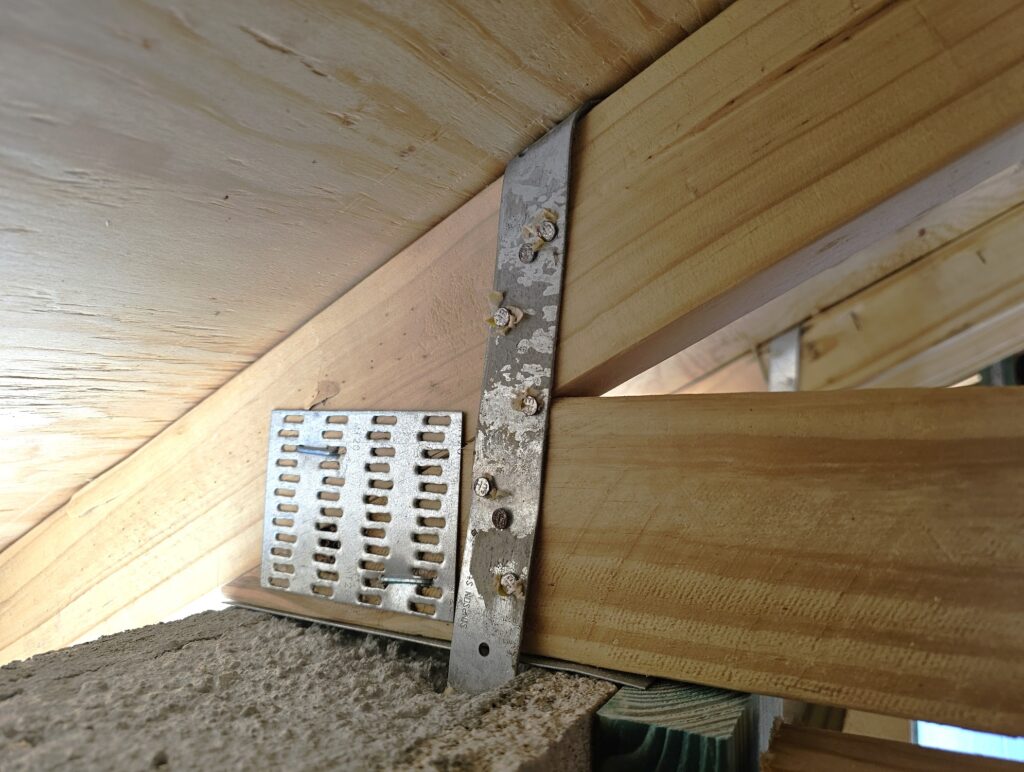
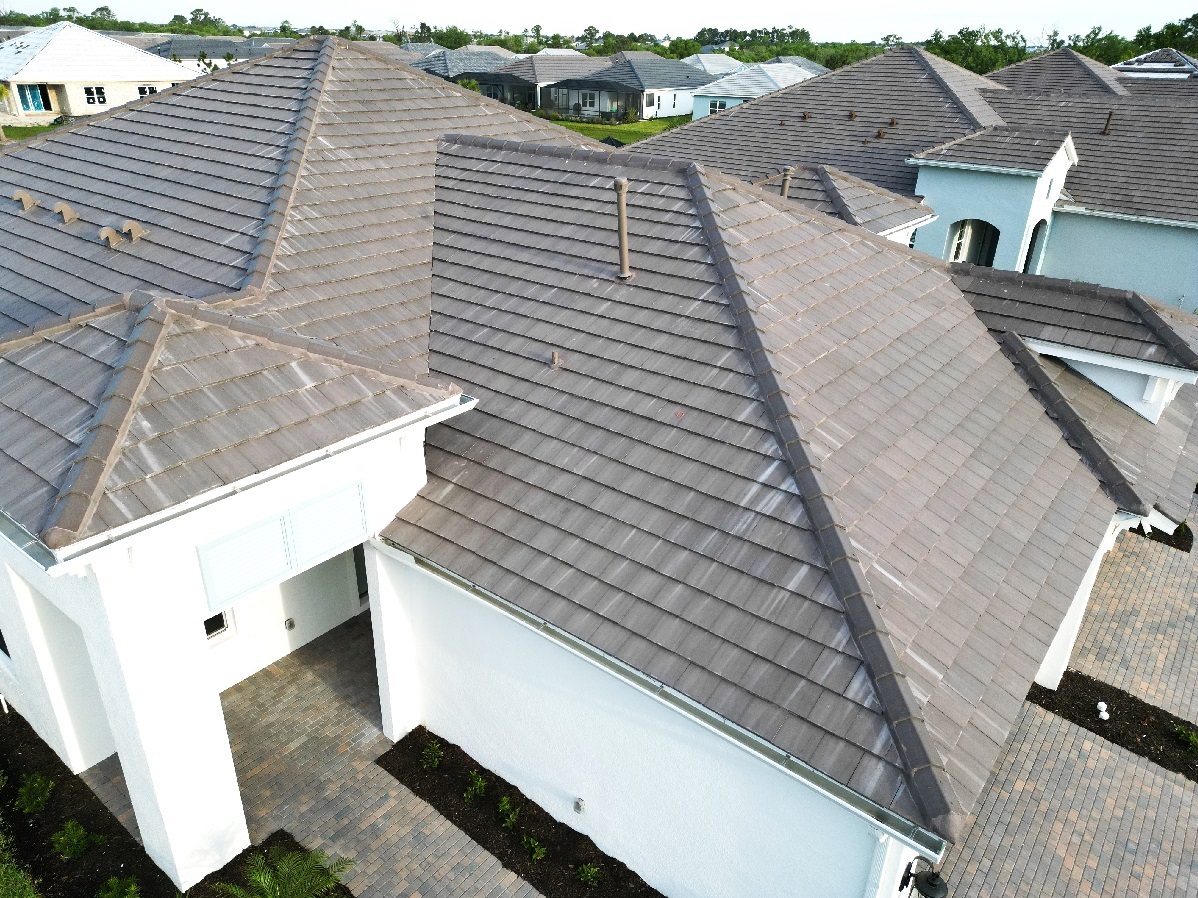
Roof: The inspector assesses the age, condition, and remaining lifespan of the roof, looking for signs of damage, deterioration, leaks, or areas in need of repair. They also examine the roof covering material and its installation.
HVAC System: This part of the inspection evaluates the age, condition, and functionality of the heating and cooling systems, including the furnace, air conditioner, and ductwork. The inspector checks for proper installation, maintenance, and any potential safety hazards.
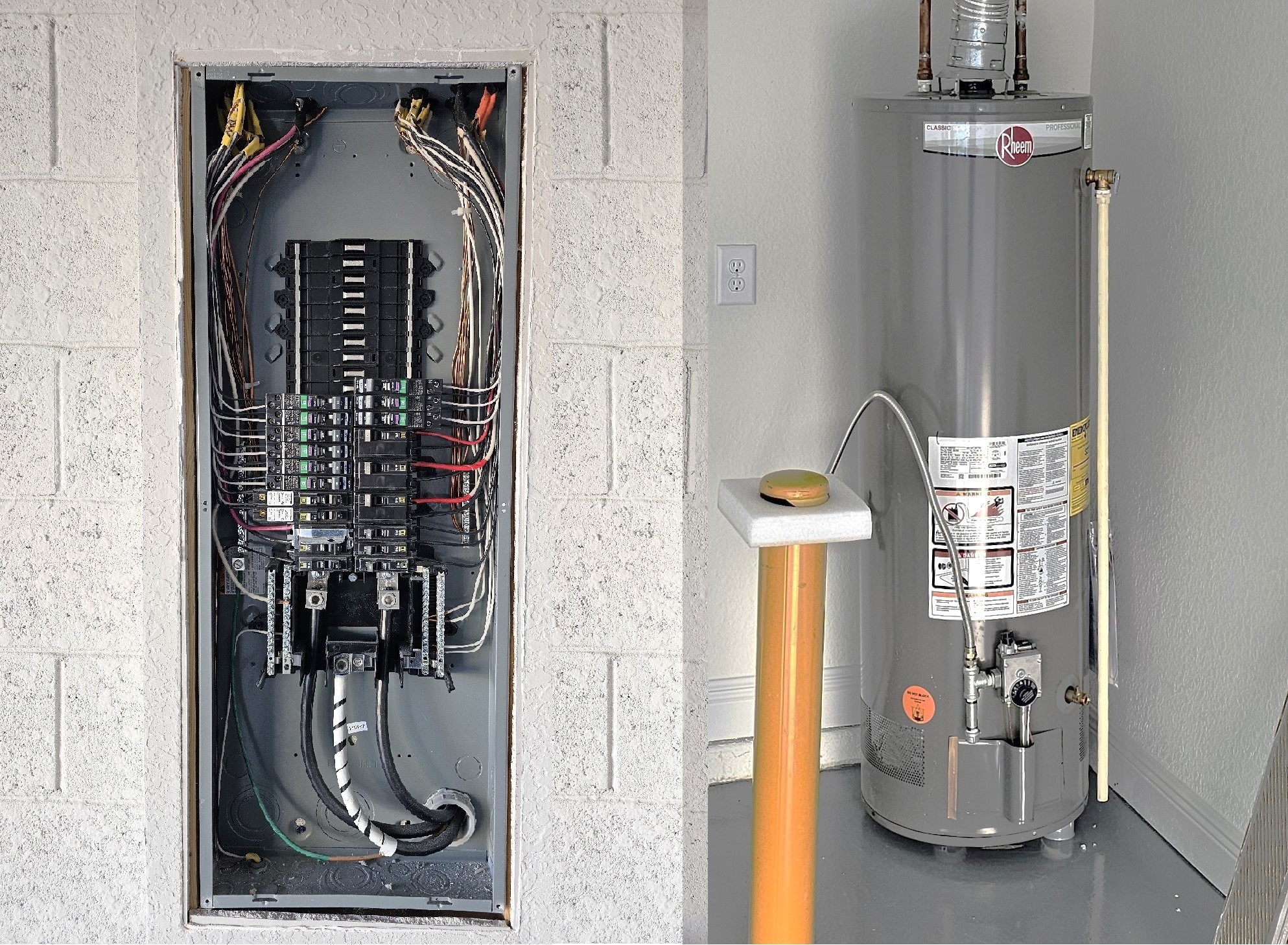
Electrical System: The inspector examines the electrical wiring, panels, outlets, switches, and fixtures for signs of wear, damage, or code violations. They assess the system’s capacity, safety features, and whether it meets current building codes and standards.
Plumbing System: This portion of the inspection looks at the age, condition, and functionality of the plumbing components, including pipes, fixtures, water heater, and drainage systems. The inspector checks for leaks, corrosion, water pressure, and potential issues with sewage or drainage.
The purpose of a four-point inspection is to provide insurance companies with an overview of the home’s major systems and their condition. Insurance companies use this information to assess the risk associated with insuring the property and determine coverage eligibility and premium rates. It helps them understand the potential for future claims related to these critical systems.
A four-point inspection is a specialized inspection typically required by insurance companies for certain older homes or properties, usually those 20 to 30 years old or more. It focuses on four main areas of the home: the roof, HVAC (Heating, Ventilation, and Air Conditioning) system, electrical system, and plumbing system.
Here’s a breakdown of what each point entails:
Roof: The inspector assesses the age, condition, and remaining lifespan of the roof, looking for signs of damage, deterioration, leaks, or areas in need of repair. They also examine the roof covering material and its installation.
HVAC System: This part of the inspection evaluates the age, condition, and functionality of the heating and cooling systems, including the furnace, air conditioner, and ductwork. The inspector checks for proper installation, maintenance, and any potential safety hazards.
Electrical System: The inspector examines the electrical wiring, panels, outlets, switches, and fixtures for signs of wear, damage, or code violations. They assess the system’s capacity, safety features, and whether it meets current building codes and standards.
Plumbing System: This portion of the inspection looks at the age, condition, and functionality of the plumbing components, including pipes, fixtures, water heater, and drainage systems. The inspector checks for leaks, corrosion, water pressure, and potential issues with sewage or drainage.
The purpose of a four-point inspection is to provide insurance companies with an overview of the home’s major systems and their condition. Insurance companies use this information to assess the risk associated with insuring the property and determine coverage eligibility and premium rates. It helps them understand the potential for future claims related to these critical systems.
© 2026 Slate Insurance Inspections. All Rights Reserved
© 2024 Slate Insurance Inspections. All Rights Reserved