A roof certification insurance inspection, also known simply as a roof certification inspection, is an evaluation conducted by an insurance company or an independent inspector to assess the condition of a property’s roof for insurance purposes.
This type of inspection is typically requested by insurance companies when insuring a property, especially in regions prone to severe weather or where roof damage is common.
The purpose of the inspection is to determine the condition of the roof and assess its risk level, which can influence insurance coverage options, premiums, and eligibility.
During a roof certification insurance inspection, the inspector evaluates various aspects of the roof, including:
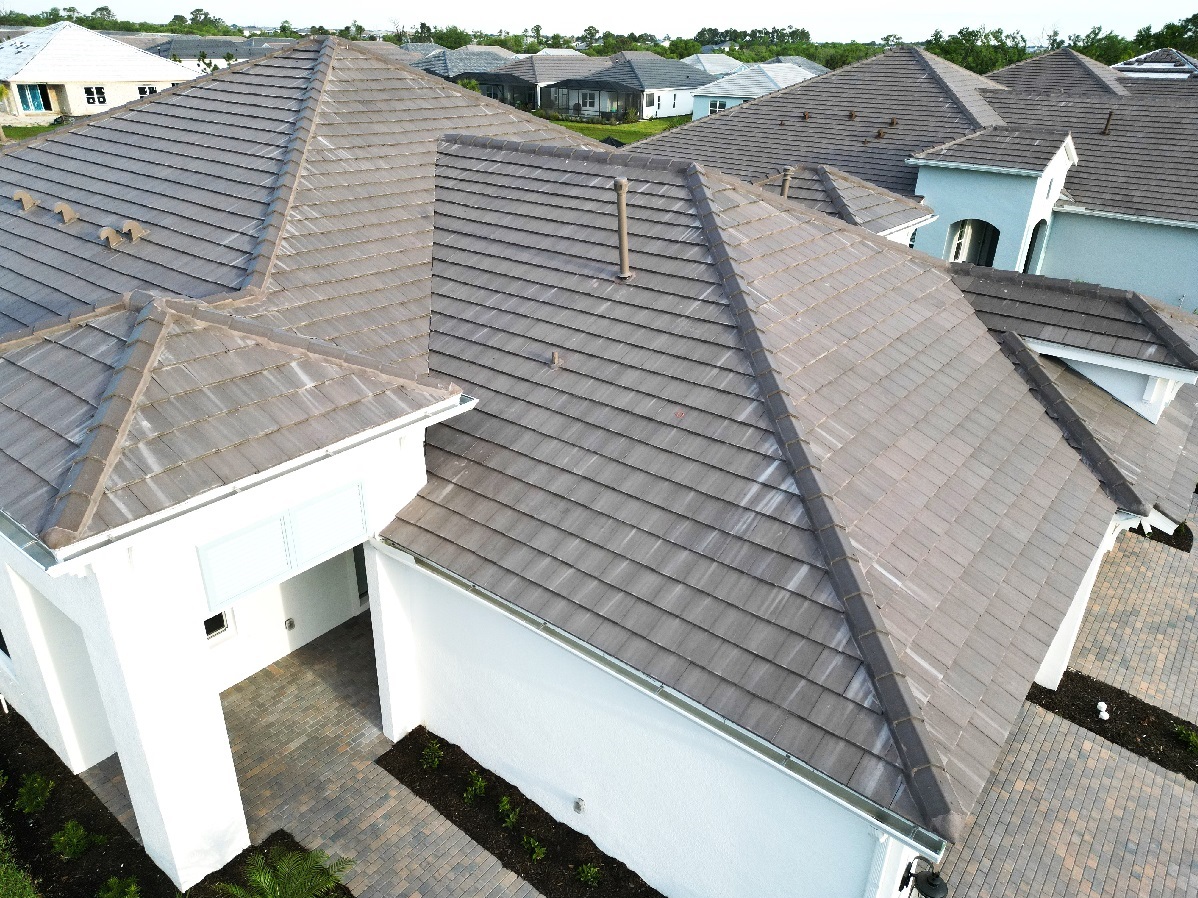
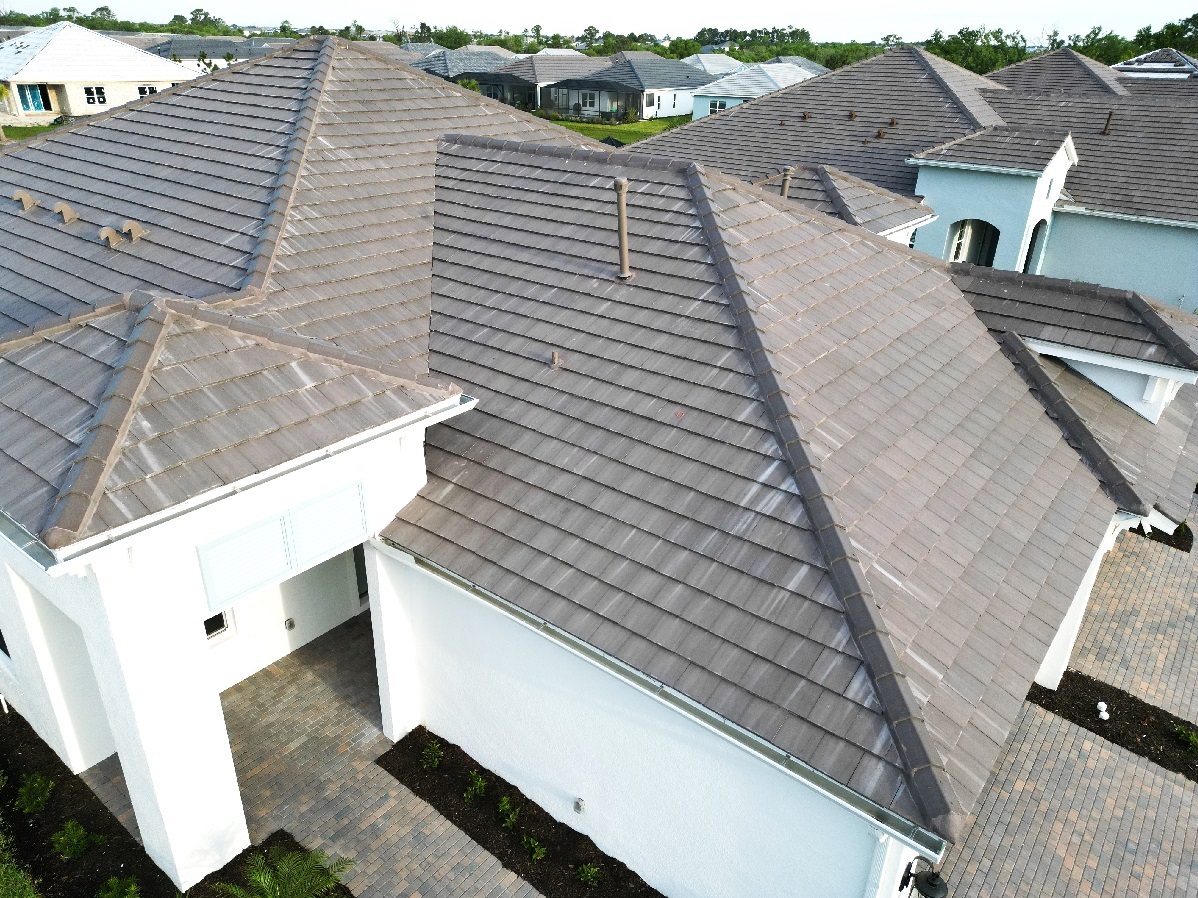
Roofing Materials: The type of roofing material, such as shingles, tiles, or metal, and its condition are assessed for signs of wear, damage, or deterioration.
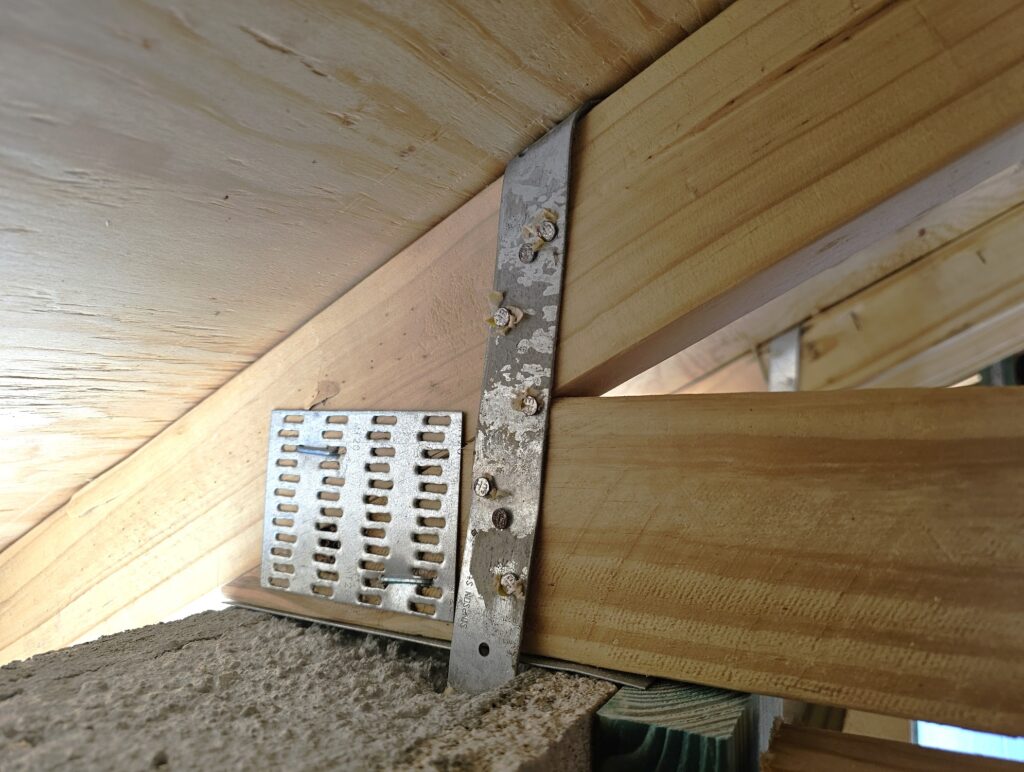
Roof Structure: The structural integrity of the roof, including the decking, support beams, trusses, or rafters, is examined for any signs of sagging, rot, or damage.
Flashing and Sealants: The condition of flashings around roof penetrations (e.g., chimneys, vents) and at roof-to-wall junctions is checked for proper sealing and protection against leaks.
Gutters and Drainage: The functionality of gutters, downspouts, and drainage systems is assessed to ensure water is properly directed away from the roof and foundation.
Overall Condition: Based on the inspection findings, the inspector provides an evaluation of the roof’s overall condition, remaining lifespan, and any recommended repairs or maintenance.
The results of the roof certification insurance inspection can impact the insurance coverage offered to the property owner. If the roof is deemed to be in good condition with minimal risk of damage, the property owner may qualify for standard insurance coverage with lower premiums. However, if significant issues are identified, the insurance company may require repairs or upgrades to mitigate risks before providing coverage, or they may offer coverage with higher premiums to account for the increased risk.